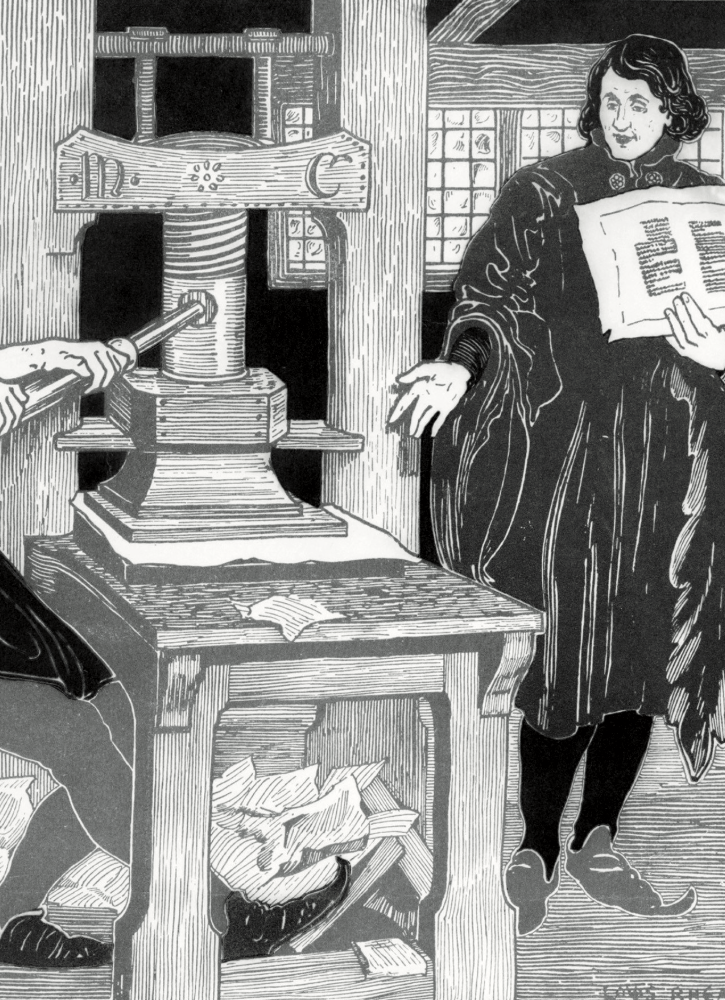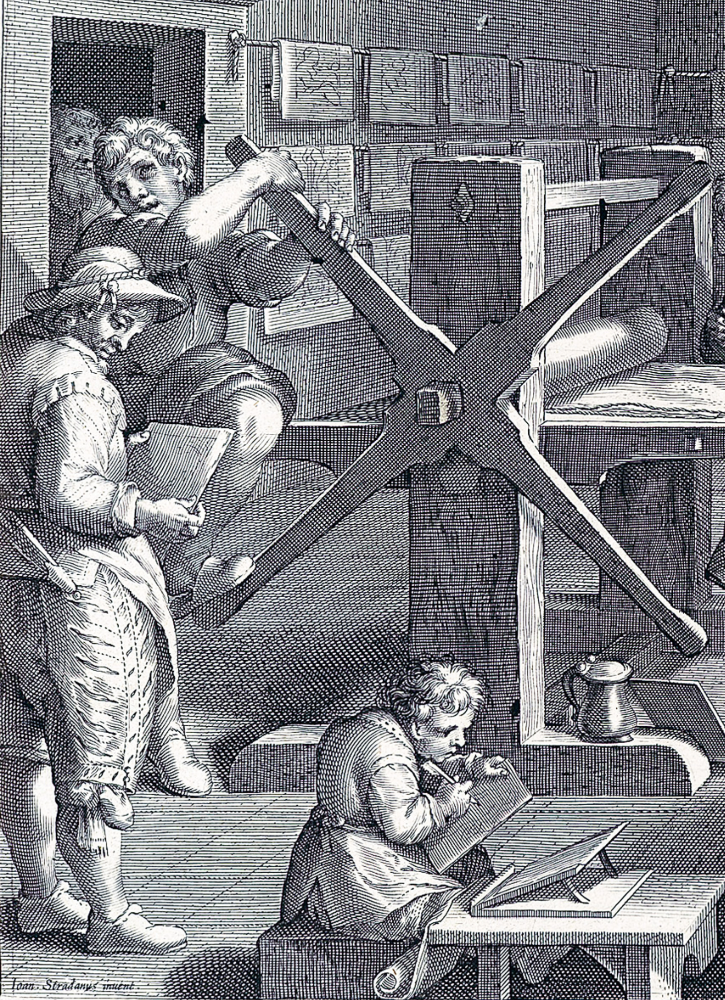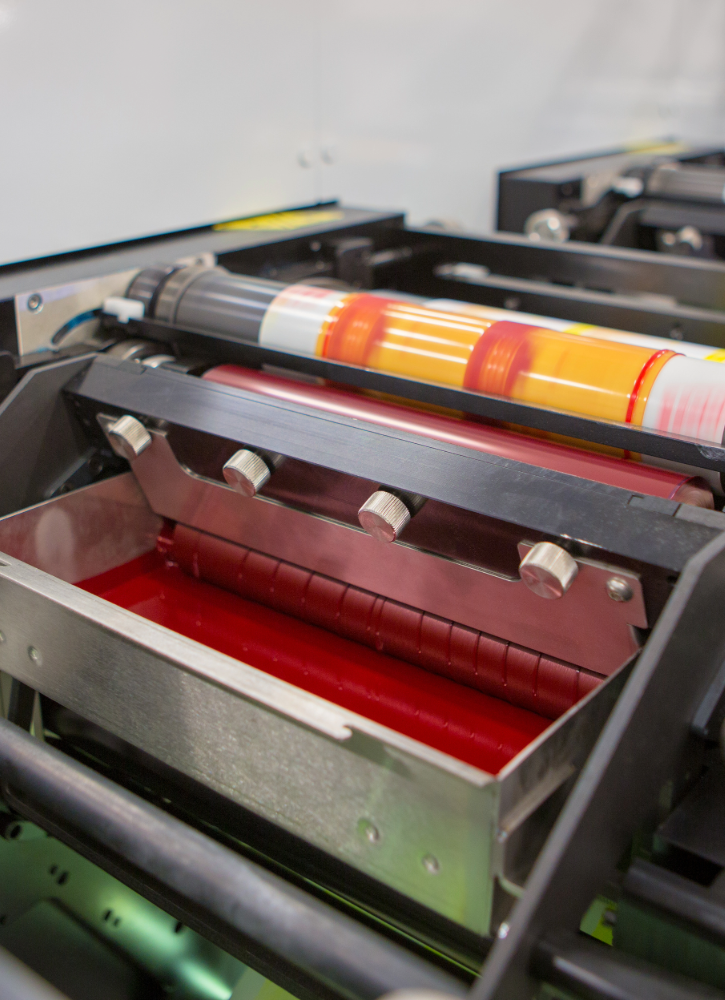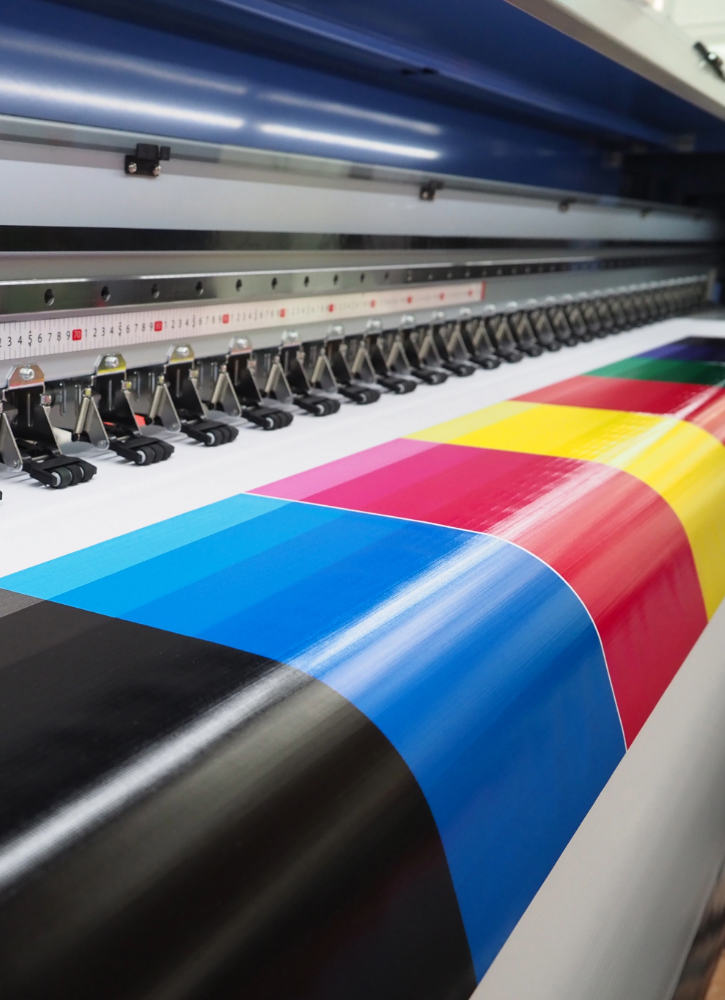
Technological leaps, such as the automation of the typesetting process and the adoption of offset lithography, transformed print into a highly scalable commercial industry.
1901: The British Printing Industries Federation was established – initially founded under the name Federation of Master Printers and Allied Trades.
1901: The Net Book Agreement was codified, setting fixed retail prices for books and fundamentally changing the publishing business.
1904: Ira Washington Rubel developed paper Offset Lithography by adapting the existing offset technique.
Impact: This established high speed, web fed rotary offset printing, which remains the standard for mass producing books, magazines, and packaging.
1905: The introduction of Flexography (originally called Aniline printing).
1907: Samuel Simon patented Commercial Screen Printing (Stencil).
Impact: This new technique allowed for printing on garments, plastics, and glass.
1938: Chester Carlson invented Xerography (Electrostatic).
1950s: Photographic processes (Phototypesetting) replaced physical metal type blocks.
1960s: The gradual transition from letterpress to offset lithography accelerated.
Impact: This revolutionised the commercial and publishing industries.
1980s: Desktop publishing (DTP) arrived.
Impact: Personal computers and software meant that typesetting and layout could happen on a screen.
1901: The British Printing Industries Federation was established – initially founded under the name Federation of Master Printers and Allied Trades.
1901: The Net Book Agreement was codified, setting fixed retail prices for books and fundamentally changing the publishing business.
1904: Ira Washington Rubel developed paper Offset Lithography by adapting the existing offset technique.
Impact: This established high speed, web fed rotary offset printing, which remains the standard for mass producing books, magazines, and packaging.
1905: The introduction of Flexography (originally called Aniline printing).
1907: Samuel Simon patented Commercial Screen Printing (Stencil).
Impact: This new technique allowed for printing on garments, plastics, and glass.
1938: Chester Carlson invented Xerography (Electrostatic).
1950s: Photographic processes (Phototypesetting) replaced physical metal type blocks.
1960s: The gradual transition from letterpress to offset lithography accelerated.
Impact: This revolutionised the commercial and publishing industries.
1980s: Desktop publishing (DTP) arrived.
Impact: Personal computers and software meant that typesetting and layout could happen on a screen.